Three Ways to Experience the Himalayas
Mountain photos can fool you. A line of snow peaks looks pretty much the same whether it was shot from a lodge in the Khumbu or a windy trail above Manang, but the days that lead up to those views are nothing alike. One person is sleeping in a tidy room with a hot shower waiting. Another is pulling on every layer they own just to find the toilet at night.
That gap is exactly why it pays to compare before you book. The Everest Base Camp luxury Trek, the Everest View trek, and the Annapurna Circuit trek are three very different ideas of what a Himalayan holiday can be. The first puts comfort and good logistics around a classic Everest-region walk. The second is shorter, built around Everest views and Sherpa village life. The third is a long journey through landscapes that keep changing, past communities with their own languages and habits.
Before you pick, be honest about a few things: how much time you really have, how fit you are, how you cope with altitude, what you expect from your bed and your meals, which cultures you want to meet, and what you can spend. This guide goes through what each route offers, what preparation looks like, and how to choose the one that suits you.
Everest Base Camp Luxury Trek: Comfort in the High Himalayas
“Luxury” on this route usually means a few specific things: better-chosen places to stay, improved meal arrangements, a private guide, and extra logistical support where it’s available. It doesn’t mean the mountain gets easier. You still walk uphill for days, and altitude still affects everyone, however nice the hotel was the night before.
The Everest Base Camp luxury Trek follows the traditional corridor through the Everest region, passing places like Namche Bazaar and Tengboche. How much comfort you actually get depends on the itinerary and the standard of accommodation on it, because the higher you go, the fewer options exist.
At lower elevations, upgraded hotels are realistic. Further along the trail you’ll be in more basic teahouses or lodges, and that’s simply how the valley works. Private rooms, attached bathrooms, hot showers, and charging points get harder to find, or cost extra, as the altitude climbs.
Ask about the things that make the daily rhythm easier: how varied the meals are, how drinking water is handled, what luggage support looks like, and what the guide does day to day. Don’t assume every luxury package is built the same way. Get in writing exactly which services are included.
It suits travelers who like added comfort, organized logistics and a supported high-altitude adventure. It’s also worth understanding the difference between a luxury trek and a helicopter-supported itinerary, since they’re sold in different ways and give you different experiences. Whatever the package category, acclimatization days and a realistic walking schedule remain essential.
Everest View Trek: Mountain Scenery Without a Full Base Camp Journey
What Makes the Everest View Trek Different?
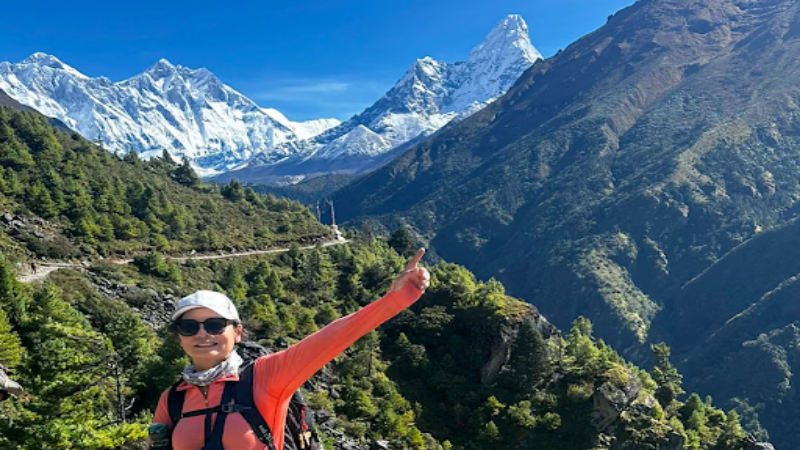
The Everest view Trek generally focuses on accessible viewpoints, Sherpa settlements and mountain scenery rather than reaching Everest Base Camp itself. Lukla, Namche Bazaar and the wider Khumbu landscape are the usual reference points, though exact itineraries vary from one operator to the next.
The appeal is simple. You get village life and views of Everest and its neighboring peaks without signing up for the longer Base Camp route.
Namche Bazaar has long worked as a trading and trekking hub, and you feel it the moment you walk in. Around it you’ll find monasteries, prayer flags and a strong tradition of local hospitality. These are living communities, not attractions put on for visitors, so treat them that way. Ask permission before photographing residents or religious ceremonies, and follow local customs.
Shorter doesn’t mean flat. Expect steep trails, stone steps and real altitude gain. Lodge accommodation is the norm, with facilities that vary, and the flight to Lukla needs some weather flexibility built into your plan.
This route fits people with limited vacation time, first-time Himalayan trekkers, and anyone who wants mountain views without a full Base Camp itinerary. Just keep in mind that a shorter duration does not mean zero altitude risk.
Annapurna Circuit Trek: Changing Landscapes and Mountain Cultures
How the Annapurna Circuit Trek Differs
The Annapurna circuit trek is a longer journey through shifting landscapes, settlements and high mountain terrain. Its length and duration aren’t fixed. They depend on road access, where you start, which side trips you add and the itinerary you choose. Two reference points matter for planning: Manang, and Thorong La Pass.
The scenery changes as you go. Lower valleys and cultivated land give way, slowly, to drier and higher countries. The cultural mix changes too. Depending on the section, you may meet Gurung, Thakali and Tibetan-influenced traditions, though communities and customs differ from place to place, so avoid broad assumptions.
Local teahouses, regional food, village markets and religious sites all offer chances to engage respectfully with the places you pass through.
Crossing Thorong La Pass, at approximately 5,416 metres above sea level, calls for careful acclimatization and suitable conditions. Mornings are cold, wind picks up, weather changes, and some ascents are demanding. A flexible itinerary helps a lot.
Road development has changed parts of the traditional route. Confirm which sections you’ll actually walk and which involve road transport. This trek is best for people with enough time, good preparation, and a real interest in varied scenery and cultural experiences.
Which Trek Should You Choose? A Practical Comparison
If you’d rather see it side by side, this table covers the main differences.
| Factor | Everest Base Camp Luxury Trek | Everest View Trek | Annapurna Circuit Trek |
| Main appeal | Everest-region adventure with enhanced comfort where available | Shorter Everest-region experience | Diverse landscapes and mountain cultures |
| Typical commitment | Longer itinerary | Shorter itinerary | Longer, route-dependent itinerary |
| Accommodation | Upgraded options at selected stops; basic facilities at altitude | Hotels and teahouses depending on route | Teahouses and lodges along the route |
| Physical challenge | High-altitude trekking | Moderate to demanding, depending on itinerary | Demanding, particularly around Thorong La |
| Cultural focus | Sherpa communities and Khumbu villages | Sherpa culture and village life | Multiple Himalayan communities |
| Key planning concern | Comfort expectations and acclimatization | Flight logistics and altitude | Pass conditions and route planning |
In the end, the right trek depends on your available time, physical readiness, comfort expectations, and the kind of cultural and mountain experience you’re after.
Packing List and Practical Preparation Tips
Essential Trekking Gear
You don’t need a mountain of kit, but what you bring has to work. Cover these basics:
- Broken-in hiking boots, trekking socks and comfortable walking layers.
- Moisture-wicking base layers, an insulating fleece or down jacket, and a waterproof outer shell.
- A warm hat, gloves, a sun hat, sunglasses, sunscreen and lip balm.
- A daypack, reusable water bottles, water-treatment supplies, a headlamp and personal toiletries.
- Trekking poles, basic blister-care supplies, personal medication and a compact first-aid kit.
- Your passport, required permits, travel insurance documents, and cash for places where card payments may not be available.
Preparation Tips That Make a Difference
Build walking endurance before you leave, and practice climbing stairs or hiking uphill. Choose a gradual itinerary with adequate acclimatization. Confirm luggage limits, guide and porter arrangements, meals, accommodation standards and what transport is included.
Check seasonal conditions, and make sure your travel insurance explicitly covers the planned trekking altitude and emergency evacuation. Learn the warning signs of altitude sickness too. A headache with nausea, dizziness or unusual fatigue deserves attention. If symptoms worsen, or you can’t walk in a straight line, descend immediately and get medical help.
Finally, keep buffer days for weather delays, especially when domestic flights are part of the plan.
Responsible Travel and Cultural Etiquette
Respect local religious sites, remove your shoes where required, and follow posted instructions. Ask before photographing people, homes or ceremonies. Carry a reusable bottle and don’t leave rubbish on the trail. Support local businesses, and use guides and porters who work under fair, clearly agreed conditions.
Dress appropriately in villages and monasteries, and pick up a few basic Nepali greetings. Responsible travel isn’t only about reducing environmental impact. It also means respecting local livelihoods, traditions and community preferences.
Final Planning Advice: Choose the Experience That Fits You
Each trek does something different. One gives you comfort on a famous route, one gives you Everest views in less time, and one gives you a long, varied crossing. Before you compare packages, weigh your time, fitness, altitude tolerance, preferred comfort level and cultural interests.
If you’d like help shaping an itinerary, a company such as Escape Himalaya can be a place to start the conversation. Whoever you talk to, ask for a day-by-day itinerary, and verify the accommodation, inclusions, permits, guide arrangements and contingency plans before you commit.
Frequently Asked Questions
1. Is the Everest Base Camp luxury Trek suitable for beginners?
It can be, but it depends on your fitness, how the itinerary is designed, your hiking experience and how well you acclimatize. Luxury accommodation alone doesn’t make the trek beginner-friendly.
2. How is the Everest view Trek different from the Everest Base Camp trek?
The Everest View itinerary typically prioritizes viewpoints and villages instead of reaching Base Camp.
3. Is the Annapurna circuit trek harder than the Everest view Trek?
Generally, yes. The Annapurna route is usually longer, covers more varied terrain and climbs higher, and crossing Thorong La Pass is a real challenge. The Everest view Trek is shorter, though it still involves steep trails and altitude.
4. What should travelers check before booking a Himalayan trek?
Look at the day-by-day route, accommodation standards, permits, guide services, transport, insurance requirements, and emergency arrangements.