Most of us have come home from a trip with a full camera roll and a strange feeling that we didn’t really take much in. The days blurred together. We ticked off the sights, and that was that. An adventure holiday can be so much more than that, if we let it. The best ones usually involve people we talked to, food we didn’t expect to like, and a few quiet hours somewhere that made us feel small in a good way.
Nepal is a great place to see this in action. Its mountain trails mix hard physical effort with village life, local traditions, and landscapes that change almost every day. The Annapurna Circuit trekking experience is a good example, because the walk itself, the tea stops, the shifting valleys, matter as much as any high point. Below, you’ll find practical ideas for planning a trip that’s thoughtful, responsible, and easier to remember for the right reasons.
1. Choose an Adventure That Matches Your Interests and Values
Look Beyond the Famous Attractions
Before booking anything, ask yourself what you actually want out of the trip. Maybe it’s a physical challenge. Maybe it’s photography, wildlife, or a better understanding of how people live somewhere very different from home. Each answer points toward a different kind of holiday. Rushing between big-name attractions gives you a quick checklist, but staying longer in fewer places usually leaves you with stories. Trekking, village walks, wildlife outings, and locally guided excursions each open a different door into a place, so pick the one that suits you rather than the one that’s trending.
Consider the Experience, Not Just the Destination
Do some homework on walking distances, terrain, accommodation, cultural expectations, and how much time you really have. A trip that fits your fitness and interests is simply more enjoyable, and you’re less likely to spend it counting down the hours. Nepal’s mountain trails show this well. On those routes, the landscape, the people you meet, and the small daily routines can end up mattering as much as wherever you’re headed.
2. Slow Down and Give Yourself Time to Experience the Destination
Leave Room for Unplanned Moments
A packed itinerary leaves no space for the things you can’t schedule: a local market you wander into, a quiet viewpoint, a long chat with someone who lives there. Build in slack for rest, bad weather and surprises. When you slow down, you notice details that fast movers walk straight past, like how a hillside is terraced or what people carry on their backs.
Make the Journey Part of the Adventure
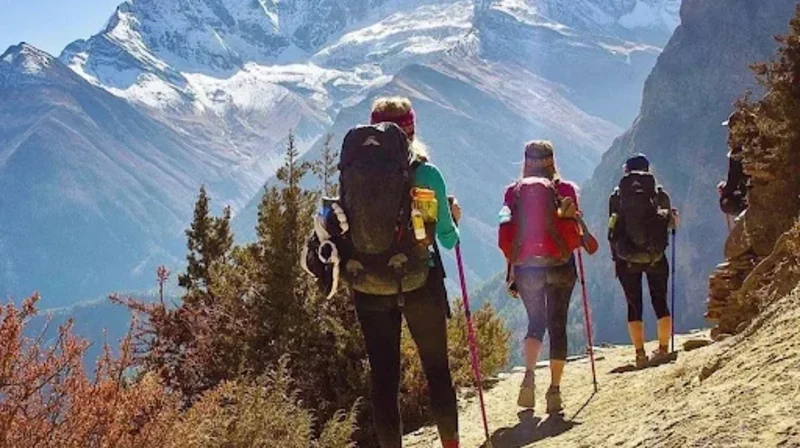
On a trekking holiday, the walking is the point. Passing through mountain villages, watching how people farm, stopping at a teahouse for something hot- these moments tend to stick. The Annapurna Circuit trekking experience works this way, with scenery and settlements changing as the days go by and every stop having its own daily rhythm. Nothing here needs a big budget or a dramatic achievement. Often the memory you keep is just a good cup of tea and a view.
3. Connect With Local Communities in a Respectful Way
Learn About Local Traditions and Everyday Life
Customs, food, architecture, festivals: you pick these up mostly by talking and watching, ideally with a guide who knows the area well. Ask questions politely, then actually listen to the answers. People aren’t part of the scenery, and villages aren’t theme parks. Go in without assumptions about how others live. You’ll probably be wrong about a few of them, and that’s fine.
Support Local People Through Everyday Travel Decisions
Where you can, choose locally owned guesthouses, teahouses, restaurants, guides and transport. Buy handmade products when you see them, and pay a fair price instead of haggling it into the ground. This is how tourism money actually stays in the communities you’re visiting.
Ask before you photograph people, religious ceremonies, homes, or anything private. A quick question costs nothing. Small choices like these add up, and they make the trip better for you and for the people who live there.
4. Experience Mountain Landscapes With Greater Awareness
Pay Attention to the Changing Environment
Mountains don’t stay the same for long. As you gain altitude, vegetation thins out, the air cools, and the weather can turn quickly. Look at how the land shapes settlements, farming, and livelihoods, because the two are tied together. Walking at a comfortable pace helps here. Push too hard, and you’ll mostly see your own boots.
Understand the Responsibility of Visiting Fragile Places
Trails, forests, water sources, and high-altitude areas don’t bounce back quickly from careless use. Stay on established paths, carry a reusable water bottle where it’s suitable, don’t leave litter, and follow local guidance. One wrapper can feel too small to matter, but thousands of visitors doing the same thing is how damage happens. Leaving a place in good shape is part of the deal, for the people who live there and for whoever walks the trail after you.
5. Prepare Properly for a More Enjoyable Adventure Holiday
Research the Route, Weather, and Physical Demands
Know the length, difficulty, elevation changes, and likely conditions of whatever you’ve chosen. For trekking in Nepal, check seasonal weather, trail conditions, permits, altitude-related risks, and how acclimatization will be handled. Build rest days into tougher itineraries rather than designing every day around maximum distance. Days off often turn out to be the best ones.
Pack for Comfort, Safety, and Responsible Travel
Good footwear comes first, then layers, rain protection, sun protection, any personal medication, reusable essentials and a basic first-aid kit. Take suitable travel insurance, have an emergency plan, and use qualified local professionals where the route calls for it. Pack for the actual route and season. Carrying extra gear “just in case” mostly means a heavier bag and sorer shoulders.
6. Make Your Annapurna Circuit Trekking Experience More Meaningful
Appreciate the People and Places Along the Route
A trek gives you more than mountain views. There are villages, hospitality, regional food and glimpses of lives very unlike your own. Spend real time where you stop rather than treating each village as a photo opportunity. Follow local customs and guidance around religious and culturally significant places, even when it’s inconvenient.
Balance Personal Achievement With Responsible Travel
Finishing a hard trek is satisfying, but not if it costs your health, your safety or the respect of the people hosting you. Set realistic daily goals, acclimatize properly, and be ready to change plans when the weather or your body says so.
Travelers researching a guided Nepal trekking itinerary can consider Nepal Eco Adventure when comparing available services, route arrangements and local support. The memories that last tend to blend personal achievement with real appreciation for the people and landscapes you passed through.
7. Create Memories Without Losing the Moment to Your Camera
Photograph With Intention
Photos are worth taking, but filming everything means you end up watching a screen instead of the place. Take a few good shots, then put the phone away and just look. Ask before photographing residents, and respect any restrictions at cultural or religious sites.
Keep a Personal Record of the Journey
Jot down short notes: a conversation, a rough day on the trail, a dish you loved, something you learned. Later, those notes explain what your photos can’t. Often it’s the small, ordinary moments that become the ones you treasure after you’re home.
8. Return Home With More Than Photographs
Reflect on What the Adventure Taught You
Travel can teach patience, adaptability and appreciation for other ways of living. Think about what surprised you and what shifted your assumptions. Then carry some of it home: waste less, support local businesses, and stay curious about other cultures.
Let the Experience Influence Future Travel
Use what you learned to choose better next time. A meaningful adventure isn’t measured by the distance covered but by the connections made and the understanding gained.
Conclusion: Make Your Next Adventure Count
Thoughtful planning, respect for local culture, support for local people, care for the environment, and enough time to let things happen. That’s most of it. A memorable adventure doesn’t need to be perfect or crammed with activities. Journeys like the Annapurna Circuit are rewarding when you appreciate the whole experience, not only the destination. So plan your next one with curiosity, consideration, and an open mind.