1. Introduction: Nepal’s Himalayas Offer More Than One Kind of Trekking Experience
Nepal squeezes a surprising amount of variety into a fairly small country. Spend a week in one valley and you might walk through rhododendron forest and Tamang villages. Head somewhere else and the mood flips completely: long ridgelines, stone-paved passes, or days when you hardly see another lodge. So “Nepal trekking” never really means one thing.
This article looks at four routes that show the range. There’s the Mardi Himal Trek above Pokhara, the Langtang Valley trek north of Kathmandu, the Manaslu circuit trek around the world’s eighth-highest mountain, and the Kanchenjunga circuit trek in the far east. Each gives you a different landscape, a different pace, and a very different level of effort. The useful question isn’t which one is best. It’s which one fits what you actually want from your time in the mountains.
2. Mardi Himal: Walking Along Narrow Ridges Beneath Machhapuchhre
What Makes the Mardi Himal Trek Different?
The Mardi Himal Trek sits in the Annapurna region, and from Pokhara you can reach the trailhead in a few hours by road. That easy access is part of the appeal. You begin in oak and rhododendron forest, pass small Gurung settlements and tea stops, then the trees thin out and suddenly you’re on an open ridge with mountains on both sides.
Machhapuchhre, the Fishtail peak, owns most of the skyline, with Annapurna South and its neighbours close behind. The scenery changes fast between Forest Camp, High Camp and the Mardi Himal Viewpoint. One day it’s damp, mossy woodland. Next it’s grass, rock and a lot of sky.
Practical Information for Mardi Himal Trekkers
Most people take about five to seven days, depending on where they start and whether they come back the same way or use a variation. Daily walking is manageable, but the climb is steady and a few sections get properly steep. The viewpoint is around 4,500 metres, so altitude deserves respect even on a short trek.
Lodges along the trail serve dal bhat, noodles and tea, though choices shrink the higher you go. Spring and autumn are the safest seasons. Clouds can roll in quickly, the upper ridge is exposed, and some narrow stretches feel airier than they look in photos. Good boots and a flexible schedule help more than people expect.
3. Langtang Valley: A Journey Through Forests, Glaciers and Tamang Culture
How the Langtang Valley Trek Combines Nature and Local Life
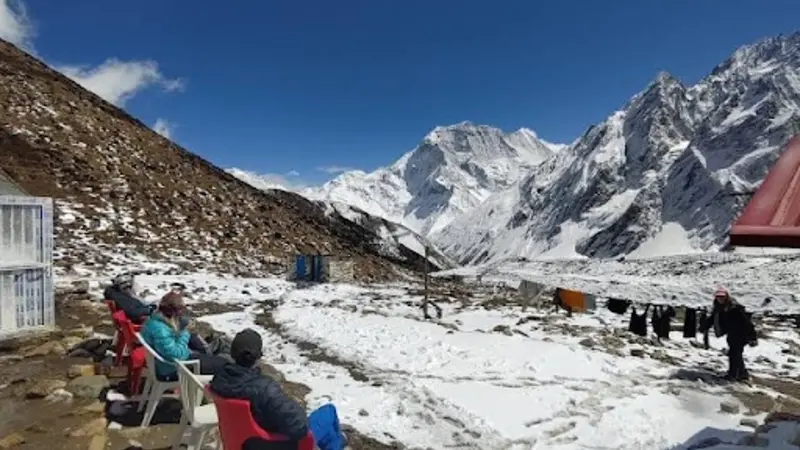
Langtang lies north of Kathmandu, right up against the Tibetan border, and most trekkers get in through Syabrubesi. The Langtang Valley Trek follows a river upstream through rhododendron forest, then the valley opens into yak pastures with glaciers hanging above the trail.
Kyanjin Gompa is the usual turnaround point, and the viewpoints around it, including the climb up Kyanjin Ri, give the best look at the glaciated peaks. But the culture matters as much as the scenery here. Tamang villages, mani walls, prayer flags and small monasteries line the route. The 2015 earthquake hit this valley hard, and the rebuilt communities are now part of its story.
What Trekkers Should Know Before Visiting Langtang
Plan for roughly a week to ten days. Kyanjin Gompa sits close to 3,800 metres, so spread the climbing out and think about an acclimatisation day. Tea houses are available all the way up, with simple menus that get a bit repetitive.
The drive from Kathmandu to Syabrubesi is long and bumpy, so don’t assume easy timing, especially after rain. Spring and autumn give the clearest views. The monsoon brings leeches and a real risk of landslides on the road.
4. Manaslu Circuit: Crossing High Mountain Passes and Traditional Himalayan Villages
Why the Manaslu Circuit Trek Feels Different
The Manaslu circuit trek loops around Mount Manaslu in the Gorkha region. It starts in warm subtropical valleys, with terraced fields and bamboo, and over many days climbs into cold, dry, high-altitude country. You feel the landscape change gradually rather than all at once.
Tibetan influence gets stronger as you go. Monasteries, mani walls and stone houses define villages like Samagaun and Samdo, with Manaslu and its neighbouring peaks looming overhead. Then comes Larke La, at 5,106 metres, a long and demanding day that most people remember for a long time.
Practical Planning for the Manaslu Circuit
Most itineraries run twelve to sixteen days, with some route variations. The area is restricted, so you need a special permit. The rules on guides and group arrangements have shifted over the years, so check current regulations with a registered trekking agency before booking anything.
Lodges are simple, food gets basic in remote settlements, and rooms are cold at night. Build in time at Samagaun to acclimatise, often with a side trip, because Larke La comes after that. Autumn and spring are the usual seasons. Snow can close the pass, so keep a spare day in your plan.
5. Kanchenjunga: Exploring Nepal’s Remote Eastern Himalayan Wilderness
What Makes the Kanchenjunga Circuit Trek a Different Experience?
The Kanchenjunga Circuit Trek is in eastern Nepal, near the borders with India and Tibet. Kanchenjunga is the third-highest mountain on earth, and the region feels as big as that suggests. You walk through forested valleys, cross suspension bridges over rivers, then move into glaciers, high passes and tiny, isolated settlements.
Rai and Limbu communities live in the lower villages, with Tibetan-influenced culture higher up. Views toward Kanchenjunga and the surrounding peaks are the reward, but the isolation is just as memorable. There are fewer trekkers, thinner infrastructure and long stretches where you’re properly out there.
Practical Challenges of Trekking in the Kanchenjunga Region
This is the longest of the four, often around three weeks for the full circuit. Getting to the trailhead usually means a flight to eastern Nepal followed by a long drive, and delays are common. Restricted-area permits apply, and guide requirements can change, so confirm them before you commit.
Accommodation and food choices are limited in remote sections, and some days are very basic. Fitness and acclimatisation matter a lot here. Contingency days aren’t optional extras on this route. They’re what keep a delayed flight or a bad weather day from wrecking the whole trek.
6. Four Treks Compared: Landscapes, Difficulty, Culture and Accessibility
Here’s how the four routes stack up side by side.
| Comparison | Mardi Himal | Langtang Valley | Manaslu Circuit | Kanchenjunga Circuit |
| Main landscape | Narrow ridges | Forests and glaciers | High mountain passes | Remote wilderness |
| Cultural experience | Gurung communities | Tamang communities | Tibetan-influenced villages | Rai, Limbu and Tibetan-influenced communities |
| Major attraction | Mardi viewpoint | Kyanjin Gompa | Larke La Pass | Kanchenjunga landscapes |
| General difficulty | Moderate to challenging | Moderate | Challenging | Challenging to strenuous |
| Accessibility | Pokhara | Kathmandu | Gorkha region | Eastern Nepal |
| Trekking character | Shorter mountain experience | Cultural and scenic | High-pass adventure | Remote expedition-style trekking |
7. Choosing the Right Himalayan Trek for Your Travel Style
If you want dramatic ridges, go for Mardi Himal. For mountain scenery mixed with culture, Langtang is hard to beat. Manaslu suits people who want high-altitude adventure and traditional villages, and Kanchenjunga is for those who want remote wilderness and don’t mind weeks on the trail.
Fitness, time, budget, altitude experience and comfort with remote conditions should drive the final choice. Talking it through with a planning team like The Himalayan Odyssey can also save you from underestimating the logistics and preparation.
8. Best Time to Trek These Four Himalayan Regions
Spring (March to May) brings rhododendron forests and generally favourable conditions. Autumn (September to November) is the most popular season, with steadier weather. Winter means snow on higher passes, and the monsoon brings rain, leeches and difficult trails.
9. Final Thoughts: Four Routes, Four Different Ways to Experience Nepal
No single trek captures the whole Himalayan experience. Ridges, valleys, passes and wilderness each show a different side of Nepal. Match the route to your time, fitness, interests and preparation, and you’ll come home with the trek that actually suited you.
