Choosing the Right Everest Experience
Everest pulls people in from every corner of the world, but nobody tells you at the start that there isn’t just one way to do it. You can walk for days through Sherpa villages, fly past the big peaks in a single morning, or strap on crampons and try a proper Himalayan summit. Each route demands different amounts of money, time, and legwork, and picking the wrong one is an easy way to spoil a trip you’ve dreamed about for years.
This guide looks at three popular options: the Everest Base Camp Trek with Helicopter Return, the Everest Base Camp Helicopter Tour, and Island Peak Climbing. They differ a lot in how they handle acclimatization, physical effort, and day-to-day planning. The goal here is simple. Match your calendar, budget, and fitness to the version of Everest that suits you.
1. Understanding the Three Ways to Experience Everest
Everest Base Camp Trek with Helicopter Return
This is the classic trek with a shortcut at the end. You walk the trails through Sherpa villages, stop at Namche Bazaar, pass monasteries like Tengboche, and slowly climb toward the base camp area. Then, instead of retracing every step back down to Lukla, you fly out by helicopter.
It’s a decent balance. You get the physical challenge, the culture and the mountain scenery, but you save a few days at the back end. One catch, though: helicopter availability depends on weather, weight limits and how your operator has set things up. Ask for the exact return arrangements in writing before you commit.
Everest Base Camp Helicopter Tour
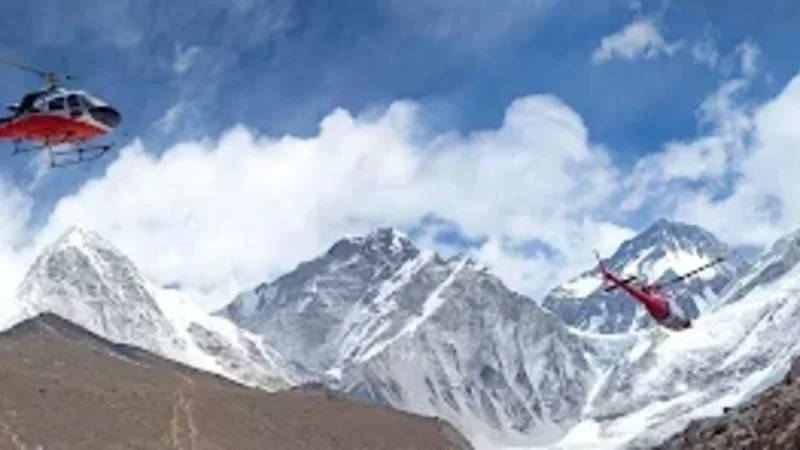
Here you see Everest and its neighbours from the air. Depending on the itinerary and conditions, there may be a landing stop in the high Himalaya. It suits people who are short on time, or those who can’t manage a multi-day trek for health or age reasons.
Just keep expectations realistic. High-altitude landings are never guaranteed. Weather, safety checks, aircraft limits, and operator decisions all play a part, so the plan on paper can change on the morning of the flight.
Island Peak Climbing
Island Peak, also called Imja Tse, is a mountaineering objective in the Everest region and stands a little over 6,000 metres. It’s a different animal altogether. You’re dealing with climbing preparation, tougher acclimatization, technical gear, and proper guidance. This isn’t sightseeing, and it isn’t ordinary trekking. It’s a climbing expedition, and it should be planned like one.
2. How Much Time Should You Set Aside for an Everest Adventure?
Trekking with a Helicopter Return: Time for the Journey
You’ll need enough days for the walk in, sensible acclimatization stops, and the flight back. Rest days matter even when the return leg is shortened, and so does a weather buffer, because helicopters don’t fly when the clouds say no. Always read the real day-by-day itinerary instead of trusting the headline duration on a brochure.
Everest Base Camp HelicopterEverest Base Camp Helicopter Tour Tour: A Shorter Visit
A helicopter tour fits into a much tighter schedule than any trek. Still, count the airport transfers, the departure arrangements, and the chance of weather delays or changed landing plans. If you can, keep a spare day or two in the wider Nepal itinerary so one grounded morning doesn’t wreck everything else.
Island Peak Climbing: Allowing Time for Preparation
Climbing takes the longest. You need days for trekking in, acclimatization, climbing preparation, the summit attempt itself, and a few contingency days on top. Squeezing the schedule too hard is tempting, especially with a limited holiday, but it cuts into safety and usually into enjoyment as well.
3. Comparing Everest Adventure Costs and Overall Budgets
What Determines the Cost of a Trek with Helicopter Return?
Several things add up here: permits, accommodation, meals, guides, porters, domestic flights, the helicopter arrangements, and your own personal spending. A standard trekking package and one with a helicopter return are not the same product, so don’t compare them as if they were. Check carefully what the quoted price actually covers.
Everest Base Camp Helicopter Tour Pricing
Shared and private flights differ in cost and in flexibility. Passenger numbers, weight limits, landing arrangements, airport transfers, and possible extra charges all shape the final figure. Before paying anything, confirm the final price, the cancellation terms and the refund conditions.
Island Peak Climbing Expenses
Expect to cover climbing permits, guides, technical equipment, accommodation, meals, transport and the general logistics of an expedition. Gear rental, group size, the level of support and any extra acclimatization days can all push the total up or down.
How to Compare the Real Cost of Each Option
Look at the full trip cost, not the shiny package price. Add international flights, travel insurance, personal gear, tips, an emergency fund, and extra nights in Kathmandu. The cheapest itinerary rarely gives the best mix of safety, flexibility and included services, so think about value rather than the lowest number.
4. Fitness, Altitude and Preparation Requirements
Physical Preparation for Trekking and Helicopter Travel
Trekking means several days of walking at altitude, so build up endurance, cardio fitness and leg strength well ahead of time. Acclimatize slowly and drink plenty of water. A helicopter tour asks much less of your body, but it doesn’t cancel out the risks of high altitude.
Additional Preparation for Island Peak Climbing
Climbing adds mountaineering skills, suitable equipment and qualified support. Get familiar with crampons, ice axes, ropes, and other technical requirements before you arrive. And be honest with yourself about your experience and fitness when choosing a climbing itinerary.
5. Choosing the Best Everest Adventure for Your Travel Style
For Travelers Who Want the Full Himalayan Journey
If trail life, villages, and slow-building views matter to you, the Everest Base Camp Trek with Helicopter Return is a good fit, especially when you can’t spare the days for the walk back.
For Travelers with Limited Time
The Everest Base Camp Helicopter Tour gives you big views fast, but it isn’t the same as walking the route. Treat it as aerial sightseeing, not a replacement for the trek.
For Travelers Seeking a Mountaineering Challenge
Island Peak Climbing is for people who want to climb, not just look. Go in with realistic expectations, proper preparation, and the right support behind you.
6. Best Time to Plan Your Everest Adventure
Spring and Autumn Travel Considerations
Spring and autumn are the usual favourites for trekking and climbing in the Everest region, thanks to better visibility, workable trail conditions and more comfortable temperatures. They’re also busier. A good season doesn’t promise clear flying weather or a successful summit attempt, though.
Weather Delays and Flexible Itineraries
Flights get disrupted, helicopter landings get restricted and mountain conditions shift. Keep buffer days, and ask about alternative arrangements before you leave home. Plan the season around the activity you picked, because there’s no single rule that fits every Everest trip.
7. Practical Booking Checklist Before You Commit
Confirm Inclusions, Exclusions and Safety Arrangements
Check what’s covered: permits, accommodation, meals, transport, guides, equipment, and any helicopter or climbing services. Confirm passenger weight limits, flight conditions, landing plans, and refund policies where they apply. For Island Peak, ask about the climbing team’s experience, the equipment arrangements and the emergency procedures.
Insurance, Health and Contingency Planning
Make sure your travel insurance covers high-altitude trekking, mountaineering, and helicopter evacuation if needed. Think about medical preparation, altitude-related risks and an emergency fund. Keep copies of your travel documents, and leave room for delays or changes.
Conclusion: Match Your Everest Adventure to Your Time, Budget and Goals
The three options couldn’t be more different. Trekking with a helicopter return gives you the walk and saves some time. The Everest Base Camp helicopter tour is the fast, low-effort view. Island Peak Climbing is a genuine mountaineering challenge. Compare total costs, available time, preparation, safety arrangements and your own expectations. Then pick what fits your real circumstances, and leave some flexibility for the way the Himalayas behave.
Frequently Asked Questions About Planning an Everest Adventure
Which Everest adventure is suitable for a short holiday?
A helicopter tour is the quickest. A trek with a helicopter return takes longer but gives you the trail experience.
Is a helicopter return included in every Everest Base Camp trek?
No. Inclusions vary by package, so confirm them before booking.
Is Island Peak climbing suitable for beginners?
It needs preparation, good guidance and an honest look at your climbing experience.
Can weather change an Everest helicopter itinerary?
Yes. Weather and operating conditions can affect flights, landings and schedules.