A good trip plan covers flights, hotels and where to eat. It rarely covers what to do if someone in your group faints on a hot boardwalk or gets stung at the beach. That’s a gap worth closing, especially on a coastal trip to Southern California, where sun, water and crowds all come together. You don’t need a medical degree to be the traveler who knows what to do. Some people even book a short course like Coast2Coast CPR Certification Long Beach before the busy season, so the skills come along on every trip after that.
Why Do Coastal Trips Need a Different Kind of Prep?
Beach days feel easy. That’s part of the appeal. But a day on the coast stacks up risks that most travelers don’t notice until something goes wrong.
You’re in the sun for hours. You’re walking more than usual, often in sandals. You might be swimming in open water with currents you don’t know. And popular waterfront spots can get crowded fast, which makes it harder for help to reach you.
None of this should stop you from going. It just means a little preparation goes a long way.
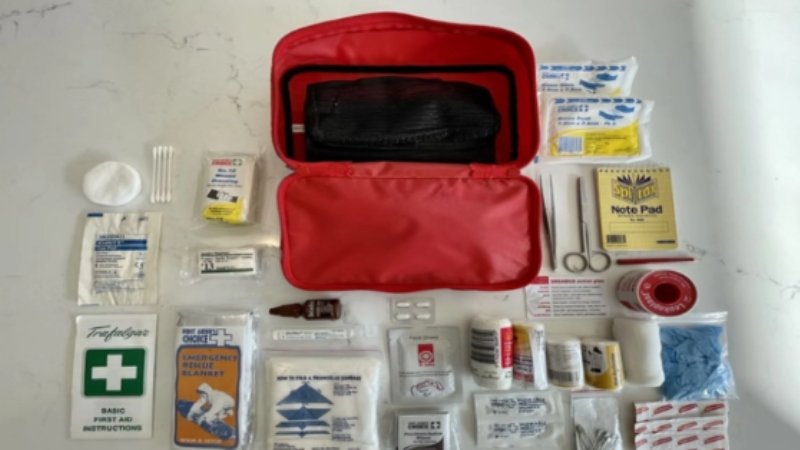
Start with a small first aid kit: bandages, antiseptic wipes, gauze, sunscreen and any personal medications, including an epinephrine auto-injector if someone in your group has a severe allergy. Keep it in your day bag, not back at the hotel.
What Are the Most Common Beach and Waterfront Emergencies?
Most coastal trips go perfectly. When problems do come up, they tend to fall into a few familiar groups:
- Heat exhaustion and heat stroke. Heavy sweating, dizziness and nausea are warning signs. Confusion, hot skin or collapse can mean heat stroke, which is an emergency. Move the person to shade, cool them down and call 911.
- Dehydration. Sun, salt air and a few drinks can drain your body faster than you expect. Headaches and fatigue are often the first clues.
- Stings from jellyfish or stingrays. Tell a lifeguard right away. Lifeguards on Southern California beaches deal with these regularly and know the local treatment.
- Water emergencies. If someone is struggling in the water, alert a lifeguard and call 911. Reach or throw something that floats instead of swimming out yourself, so you don’t become a second person in trouble.
- Choking. Long seafood lunches and street food carry real choking risk. The American Heart Association’s 2025 guidance recommends alternating five back blows with five abdominal thrusts for a conscious adult or child who is choking.
- Cuts and scrapes. Rocks, shells and broken glass on the sand can cause deeper cuts than you’d think.
Then there’s the rarest and most serious event: sudden cardiac arrest. It can happen to anyone, including a healthy-looking traveler on vacation.
What Should You Do Before Help Arrives?
The steps are simple, and training makes them automatic:
- Check the scene. Make sure you’re not stepping into traffic, surf or another hazard.
- Call 911, or point to one specific person and ask them to call.
- Get a lifeguard if you’re on or near the beach. They’re trained and usually close.
- Check breathing. If the person is unresponsive and not breathing normally, start CPR.
- Send someone for an AED. Many public places near the water, like piers, hotels and attractions, have one.
Stay with the person until professional help takes over. Keep talking, even if they can’t answer.
Why Do the Numbers Matter?
According to the American Heart Association, about 350,000 people in the U.S. have a cardiac arrest outside of a hospital each year, and it’s fatal about 90% of the time.
Here’s the encouraging part. The AHA says that giving CPR can double or even triple a person’s chance of survival. Yet only about 41% of adults who have a cardiac arrest outside the hospital get CPR before emergency crews arrive.
That gap is where ordinary people make the difference. On a crowded pier or a busy beach, the first person to act is almost never a paramedic. It’s a stranger, a family member or a fellow traveler.
Who Else Benefits From First Aid Training?
It isn’t just travelers. The people who keep a coastal destination running see more emergencies than most:
- Tour guides and activity operators, from kayak rentals to harbor cruises
- Hotel and restaurant staff, who serve thousands of visitors every season
- Port and harbor workers, whose shifts involve heavy equipment and water
- Parents and grandparents, especially on family trips with young kids
For employers, it’s also about the rules. Under OSHA’s first aid standard, 29 CFR 1910.151, employers must have someone adequately trained to give first aid when there’s no infirmary, clinic or hospital in near proximity to the workplace. California employers also follow Cal/OSHA rules under Title 8. Training staff through American Red Cross courses helps keep a team OSHA-compliant.
How Can Travelers Fit Training In?
You probably don’t want to spend a vacation in a classroom. Good news: you don’t have to.
Blended courses let you finish the theory online at your own pace, then attend a shorter in-person session to practice the hands-on skills with an instructor. You’ll work on compressions, AED use and choking relief using training manikins.
American Red Cross First Aid and CPR certificates are valid for two years. Pack it once, and it comes with you on every trip in that window.
Where Can You Train Near the Port of Los Angeles?
If you are looking for CPR certification near Pacific Coast Highway, Normandie Avenue, Harbor City, or surrounding areas near the Port of Los Angeles, you may reach out to Coast2Coast First Aid & Safety in that area. You can also see upcoming CPR class dates and pick one that fits your travel plans.A good booking explains these conditions before departure instead of promising an itinerary that cannot be safely guaranteed.
FAQS
Q: What are the signs of heat stroke at the beach?
A: Confusion, hot skin, collapse or a sudden change in behavior can signal heat stroke, which is a medical emergency. Move the person to shade, cool them down and call 911.
Q: What should I do if someone is struggling in the water?
A: Alert a lifeguard and call 911. If you can, reach or throw something that floats instead of swimming out yourself, so you don’t become a second person in trouble.
Q: How do you help a choking adult under the 2025 AHA guidelines?
A: The American Heart Association’s 2025 guidance recommends alternating five back blows with five abdominal thrusts for a conscious adult or child who is choking, until the object comes out or the person becomes unresponsive.
Q: How long is an American Red Cross CPR certificate valid?
A: American Red Cross First Aid and CPR certificates are valid for two years. After that, a recertification course keeps your skills and certificate current.
Q: Do employers in California have to provide first aid training?
A: Under OSHA’s first aid standard, 29 CFR 1910.151, employers must have someone adequately trained to give first aid when there’s no infirmary, clinic or hospital in near proximity to the workplace. California employers also follow Cal/OSHA rules under Title 8.