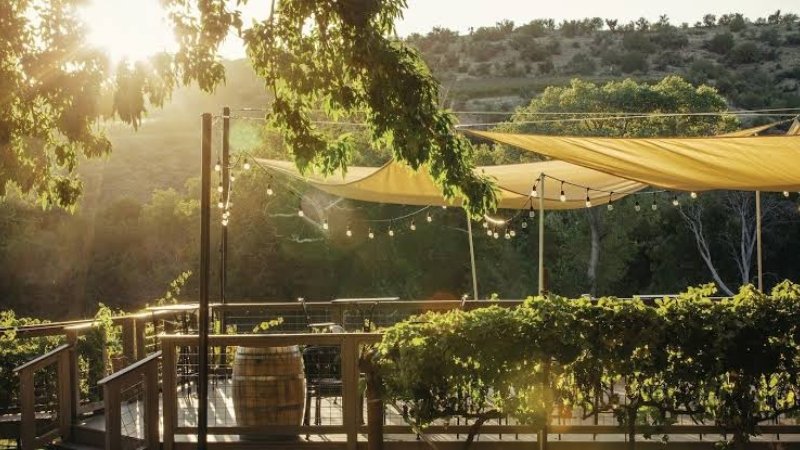
The desert doesn’t ask for your attention. It earns it slowly, through a sunset that turns the Sonoran sky into something between amber and violet, through the silence of a canyon trail at dawn, through a resort spa that smells faintly of juniper and eucalyptus. Travelers who have written off Arizona as a flyover state are quietly discovering what regulars have known for years: this is one of the most compelling luxury destinations in the country.
Why Arizona Keeps Winning Over High-End Travelers
The numbers back up what repeat visitors already feel. The Arizona Office of Tourism confirmed that visitor spending in Arizona reached $29.7 billion in 2024, a record total that reflects both higher visitor volumes and higher spending per visitor. That kind of momentum doesn’t happen by accident. It reflects a destination that has invested heavily in world-class infrastructure while keeping the raw, dramatic landscape that makes it unlike anywhere else.
Arizona’s luxury appeal is broad. Scottsdale offers polished resort corridors and Michelin-caliber dining. Sedona delivers red-rock spirituality and boutique wellness retreats. Flagstaff sits at elevation, with cool summers and access to the Grand Canyon’s South Rim. Each pocket of the state serves a different version of luxury, which means the destination works for a solo wellness trip, a couples’ escape, or a multigenerational family gathering.
The Climate Advantage
Most people think of Arizona as a summer scorcher, and July in Phoenix is genuinely brutal. But the luxury travel season runs from October through May, when daytime temperatures hover in the sixties and seventies. Mornings are crisp. Evenings call for a light layer. That alone makes this a compelling alternative to beach destinations battling humidity, hurricane season, and crowded shorelines for most of the year.
No Passport Required, No Jet Lag Involved
International beach escapes come with logistics: long-haul flights, currency exchange, travel insurance headaches. Arizona is a direct flight from most major U.S. cities, often under three hours. For travelers who want a genuine escape without the friction of crossing borders, that matters. The experience is seamless from the moment you land.
What Scottsdale Gets Right
Scottsdale has spent decades building a hospitality ecosystem that rivals any resort corridor in the world. The concentration of five-star properties, fine dining, and high-end retail in a relatively compact area creates something that feels effortless. Guests can move between a morning round of golf, an afternoon spa treatment, and an evening tasting menu without ever feeling rushed or scattered.
The Resort Scene
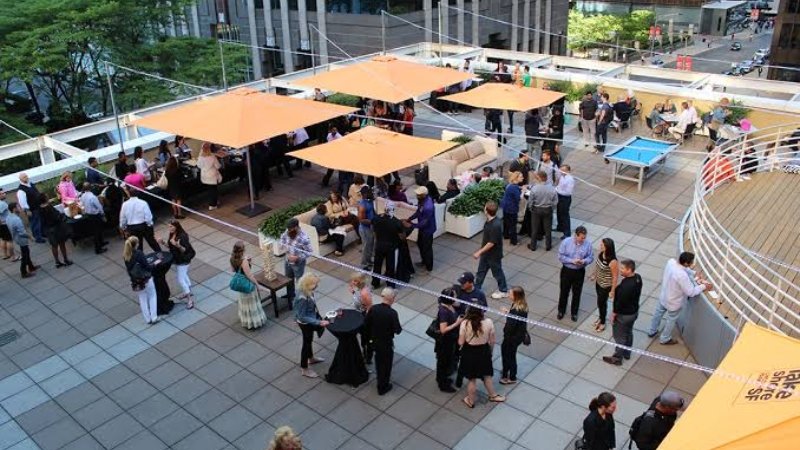
Properties like The Phoenician, the Four Seasons at Troon North, and the Fairmont Scottsdale Princess set the tone. These aren’t resorts that happen to be in the desert. They are designed around it, with architecture and landscaping that treat the Sonoran environment as an amenity rather than an obstacle. Infinity pools facing mountain ridges. Casitas surrounded by saguaro cactus. Outdoor dining terraces that stay genuinely pleasant from November through April.
Dining and Nightlife
Scottsdale’s food scene has matured considerably. The Old Town corridor now anchors a dining culture that includes James Beard-recognized chefs, serious cocktail programs, and restaurants drawing guests from across the country. The city’s gallery district adds a cultural layer that surprises first-timers who expected nothing more than golf and resort pools.
Making the Most of a Scottsdale Trip
A well-planned visit balances activity with indulgence. A few things worth building into any itinerary:
- A sunrise hike on Camelback Mountain or the McDowell Sonoran Preserve before the temperature climbs
- A half-day at one of the resort spas, particularly those offering treatments rooted in indigenous desert botanicals
- An afternoon browsing the galleries and boutiques in Old Town, where the shopping skews independent and interesting
- A sunset dinner on a patio, ideally somewhere with a view of the McDowell Mountains going orange in the last light
If you’re traveling with valuables or planning to upgrade your accessories before the trip, Scottsdale is also a practical place to sell your old gold jewelry or diamond before investing in something new. The city’s luxury retail culture makes it easy to do both on the same visit.
The Rest of Arizona’s Luxury Map
Scottsdale is the anchor, but far from the whole story. Sedona, about two hours north, has evolved into a destination in its own right. The landscape there is different, more dramatic, defined by towering red sandstone formations that make even a modest hotel room feel cinematic. Wellness retreats in Sedona have built a serious following, with programs centered on meditation, sound healing, and outdoor therapy that draw guests from both coasts.
Tucson offers a slower, more academic version of Arizona luxury. The University of Arizona gives the city a certain intellectual energy, and the surrounding Sonoran Desert feels wilder and more remote than the manicured corridors up north. Properties like Miraval Arizona have earned international reputations for immersive wellness programming, and the regional cuisine, rooted in Sonoran and Baja influences, is genuinely distinctive.
Flagstaff sits at nearly 7,000 feet and functions as a basecamp for Grand Canyon day trips. But it also has a craft brewery scene, a historic downtown, and access to some of the best dark-sky stargazing in the continental United States. Worth a night on its own.
The Luxury Traveler Arizona Is Built For
Luxury visitors to the city carry a median household income of $218,000 and spend an average of $716 per day on-property, with 75% returning more than once a year. That repeat rate is the most telling figure. Luxury travelers are discerning by definition. When three out of four come back within the same year, the destination is holding up under scrutiny.
What Arizona offers is a combination that’s hard to replicate anywhere else: dramatic natural scenery, a mature hospitality infrastructure, a dry and comfortable climate for most of the year, and a pace that lets guests move between adventure and indulgence without feeling like they’re compromising either. The beach has its place. But the desert offers something quieter, more unexpected, and for a growing number of travelers, that’s exactly the point.
Where to Start Planning
The best entry point is a shoulder-season trip, October or November on the front end, March or April on the back. Rates run slightly lower than the peak February window, the weather is ideal, and the crowds are manageable. Book resort stays early, particularly in Scottsdale, where the best properties fill up months in advance. Leave room in the itinerary for at least one day trip, whether that’s Sedona, the Verde Valley wine country, or the drive up to Flagstaff. Arizona rewards the traveler who looks past the obvious, and there is a great deal here that most visitors never find on the first pass. A good booking explains these conditions before departure instead of promising an itinerary that cannot be safely guaranteed.