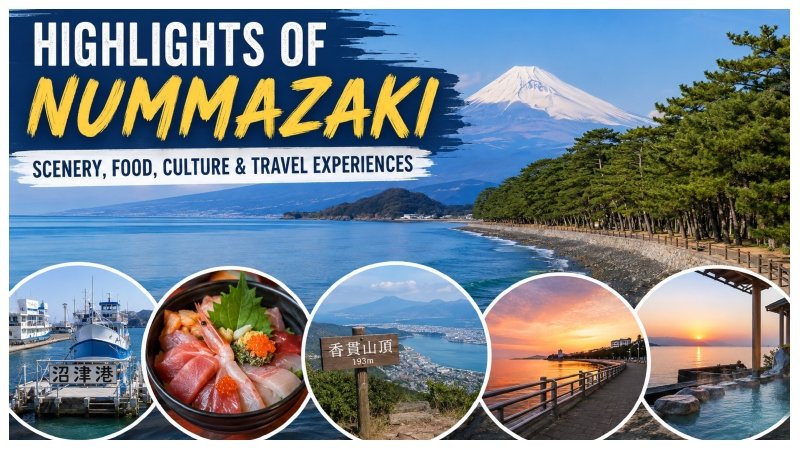
Japan has no shortage of coastal destinations, but some places stand out because they combine natural beauty with local culture and a slower pace of travel. The term Highlights of Nummazaki is often used online when discussing the coastal attractions around Numazu and the western side of Suruga Bay in Shizuoka Prefecture.
Travelers looking into this area can find a mix of sea views, Mount Fuji scenery, fishing traditions, local seafood, walking routes, hot springs, and interesting cultural sites. The region also offers a refreshing alternative to Japan’s busiest tourist destinations.
Before planning a trip, however, it helps to understand that “Nummazaki” is not commonly used as the official name of a single major destination. Online travel content sometimes uses the term broadly for places around Numazu and nearby coastal areas. This guide focuses on the established attractions and experiences associated with that wider region.
What Makes Nummazaki Worth Exploring?
The biggest attraction is the area’s natural setting.
Suruga Bay creates a beautiful coastal landscape, while Mount Fuji can appear across the water on clear days. Pine forests, fishing ports, mountains, beaches, and small coastal communities add variety to the scenery.
The area also has a strong connection with seafood and maritime life. Visitors can enjoy local dishes, explore port areas, take sightseeing cruises, and learn about deep-sea marine life.
For outdoor travelers, hiking and coastal walks provide another reason to visit. Those looking for relaxation can add a traditional hot spring experience to their itinerary.
The result is a destination area where nature, food, history, and everyday Japanese life come together.
1. Enjoy the Views Across Suruga Bay
Suruga Bay is one of the most impressive natural features in the region.
The large bay creates open views toward the Izu Peninsula and surrounding mountains. On clear days, Mount Fuji adds another dramatic element to the landscape.
Weather plays an important role in the experience. Clouds, humidity, and haze can reduce visibility, particularly around Mount Fuji. Visitors should therefore avoid planning an entire day around seeing the mountain.
Instead, enjoy the coastline itself. The sea, mountains, fishing activity, and changing light create attractive scenery even when Fuji is hidden.
Early morning can offer especially calm conditions, while late afternoon provides softer light for photography.
2. Walk Through Senbon Matsubara
Senbon Matsubara is one of the most distinctive natural attractions around Numazu.
This famous coastal pine forest stretches for several kilometers along the shoreline. Thousands of pine trees create a long green landscape between the sea and surrounding areas.
The forest has both natural and historical importance. It is not simply a place for taking photographs. Its long history connects the landscape with local culture and conservation efforts.
Walking beneath the pine trees provides a different experience from standing at a conventional viewpoint. Visitors can enjoy the sound of the wind, coastal atmosphere, and occasional views toward Mount Fuji.
The area is particularly attractive for travelers who enjoy peaceful walks rather than crowded attractions.
3. Look for Mount Fuji From the Coast
Mount Fuji is one of the major visual highlights of the wider Numazu region.
Seeing Japan’s most famous mountain from beside the sea creates a different perspective from the classic views around lakes and inland towns.
Clear winter days can provide good visibility, although conditions can change quickly. Summer humidity may make the mountain harder to see.
For photographers, patience can make a significant difference. A view that appears cloudy in the morning may become clearer later in the day.
Travelers should also remember that a Fuji view is never guaranteed. The surrounding coastal landscape remains worthwhile even when the mountain disappears behind clouds.
4. Discover Numazu Port
Numazu Port gives visitors an opportunity to experience the area’s maritime character.
The port is closely connected with local fishing and seafood. Restaurants around the area serve dishes such as sushi, sashimi, grilled fish, and seafood bowls.
A visit to the port can therefore become both a sightseeing and food experience.
Instead of choosing only familiar dishes, travelers can ask restaurants about local specialties or seasonal seafood. Availability can change depending on fishing conditions and the season.
The port area also works well as part of a larger itinerary. Visitors can combine lunch with nearby attractions and continue exploring the coast afterward.
5. Explore the Numazu Deep Sea Aquarium
The Numazu Deep Sea Aquarium offers something different from a traditional coastal sightseeing experience.
Its focus on deep-sea creatures makes it particularly relevant to the surrounding marine environment. The aquarium is also known for its exhibits related to the coelacanth, an ancient fish that has survived for millions of years.
The attraction can be a good choice for families, marine-life enthusiasts, and travelers looking for an indoor activity.
Its location near the port also makes it easy to combine with seafood restaurants and other nearby attractions.
6. Hike Mt. Kanuki
Travelers who enjoy outdoor activities can add Mt. Kanuki to their itinerary.
The mountain is relatively modest in height, making it more approachable than Japan’s larger peaks. Trails lead through natural surroundings toward viewpoints overlooking Numazu and Suruga Bay.
On clear days, Mount Fuji may also be visible.
The hiking experience changes throughout the year. Spring brings seasonal flowers, while autumn can provide colorful foliage. Summer hiking requires more attention to heat and hydration.
Comfortable shoes are recommended because even a shorter mountain route can become difficult without suitable footwear.
7. Take a Sightseeing Cruise
A sightseeing cruise offers a different way to appreciate the coastal landscape.
Instead of viewing Suruga Bay from land, passengers can see the coastline from the water. Depending on the route and conditions, views may include Mount Fuji, surrounding mountains, coastal forests, and parts of Numazu.
A cruise can be especially useful for travelers who want a relaxing activity between hiking and sightseeing.
Schedules may vary by season and weather, so checking current operating information before traveling is important.
8. Visit the Coastal Area of Heda
Heda provides another interesting experience within the wider coastal area.
This small seaside community has a strong connection with fishing and maritime traditions. Its location on the western side of the Izu Peninsula gives visitors access to quieter coastal scenery.
Heda is particularly suitable for travelers who prefer smaller communities over busy tourist centers.
Local accommodation includes traditional Japanese-style options, while seafood remains an important part of the area’s food culture.
A visit to Heda can therefore add a slower and more local element to a trip around Numazu.
9. Relax in a Traditional Onsen
A Japanese hot spring experience can be an excellent addition after a day of walking or sightseeing.
Heda and nearby areas are associated with hot spring facilities where visitors can relax while enjoying the coastal surroundings.
An onsen visit is more than simply soaking in warm water. It provides an opportunity to experience an important part of Japanese bathing culture.
Visitors should follow the rules of each facility. These may include washing before entering the bath and following specific guidance about towels, clothing, and other bathing customs.
Checking facility policies before arrival can make the experience more comfortable.
10. Taste Local Seafood
Food deserves an important place among the Highlights of Nummazaki.
The area’s location beside Suruga Bay gives local cuisine a strong seafood identity. Restaurants and markets around the port offer various preparations of fresh fish.
Popular choices may include:
- Sushi and sashimi
- Seafood rice bowls
- Grilled fish
- Local crab
- Seasonal seafood dishes
The exact selection depends on the season and local supply.
Trying freshly prepared seafood can provide a stronger connection to the region than simply visiting a standard tourist restaurant.
11. Experience Local Fishing Culture
The coastal communities around Numazu have developed alongside the sea.
Fishing has influenced local food, businesses, traditions, and daily life. Visitors can see this connection around working ports and seafood markets.
This aspect of the region may not receive as much attention as Mount Fuji views, but it helps explain why the area developed the way it did.
Travelers should be respectful around working fishing areas. Some locations are active workplaces rather than tourist attractions, so visitors should follow signs and local instructions.
12. Combine Nature With History
The region offers more than scenic landscapes.
Places such as Senbon Matsubara show how natural environments can also have cultural and historical significance. Local temples, shrines, traditional communities, and historic sites add another layer to the travel experience.
Instead of treating each attraction as an isolated stop, visitors can look at how the coastline shaped the communities that developed around it.
This approach makes a short trip more meaningful because it connects scenery with local history.
Best Time to Explore the Area
Each season offers a different experience.
Spring
Spring is comfortable for walking and hiking. Seasonal flowers can also add color to outdoor attractions.
Summer
Summer works well for coastal sightseeing, but temperatures can become high. Early morning activities are often more comfortable than midday walks.
Autumn
Autumn brings pleasant conditions for hiking and exploring. Foliage can also make mountain and forest areas more attractive.
Winter
Winter can provide crisp air and potentially clearer views of Mount Fuji. Hot springs can also feel particularly enjoyable during colder weather.
The best season ultimately depends on what you want to do. Travelers focused on Fuji photography may prefer clearer conditions, while hikers may favor the milder temperatures of spring and autumn.
How to Plan Your Trip
A successful trip starts with realistic planning.
Numazu is accessible from major cities in Japan and can serve as a base for exploring nearby coastal attractions. Central areas are easier to explore with public transportation, while more remote locations may require additional planning.
A rental car can provide greater flexibility if you want to visit several coastal communities in one day.
Before leaving, check:
- Transportation schedules
- Attraction opening hours
- Cruise operating times
- Weather conditions
- Hiking conditions
- Onsen admission rules
- Seasonal restaurant availability
These details can change, so relying on current information is better than following an old itinerary exactly.
A Simple Nummazaki Travel Itinerary
Travelers with one day can focus on the central attractions.
Start with a morning walk through Senbon Matsubara and look for views of Mount Fuji. Continue toward Numazu Port for lunch and local seafood.
Spend the afternoon exploring the Numazu Deep Sea Aquarium or taking a sightseeing cruise, depending on availability.
If you have additional time, consider extending the trip toward Heda or adding a hiking route around Mt. Kanuki.
With two days, you can slow down the schedule and spend more time enjoying the coastal scenery instead of moving quickly between attractions.
Travel Tips for First-Time Visitors
A few simple choices can improve the experience.
First, keep your schedule flexible. Weather can affect mountain views and coastal activities.
Second, wear comfortable shoes. Walking and hiking are important parts of exploring the area.
Third, try local food instead of relying only on familiar international options.
Fourth, respect fishing communities and avoid entering restricted working areas.
Finally, do not judge the region only by its famous viewpoints. Some of the most enjoyable moments may come from a quiet coastal walk, a small restaurant, or an unplanned view across the bay.
Frequently Asked Questions
What are the main Highlights of Nummazaki?
The main experiences associated with the term include Suruga Bay scenery, Mount Fuji views, Senbon Matsubara, Numazu Port, seafood, Mt. Kanuki, coastal communities, sightseeing cruises, and hot springs.
Is Nummazaki an official city in Japan?
“Nummazaki” is not commonly used as the official name of a major Japanese city. Online travel content sometimes uses the term broadly when discussing attractions around Numazu and the surrounding coastal area.
Can visitors see Mount Fuji from Numazu?
Yes. Several locations around Numazu provide opportunities to see Mount Fuji, particularly when weather conditions are clear.
What food should travelers try?
Seafood is a natural choice. Visitors can look for sushi, sashimi, seafood bowls, grilled fish, and seasonal local catches.
Is the area suitable for families?
Yes. Families can choose from attractions such as the aquarium, port area, sightseeing cruises, easy walks, and food experiences. The exact itinerary should depend on the children’s ages and interests.
Is Numazu suitable for outdoor travelers?
Yes. The surrounding region offers hiking, coastal walks, scenic viewpoints, and water-based activities. Mt. Kanuki is one accessible option for travelers who want a short hike.
Final Thoughts
The Highlights of Nummazaki are not limited to one attraction. They come from the combination of coastline, mountains, food, history, and local culture found around Numazu and Suruga Bay.
Mount Fuji provides spectacular scenery when conditions allow. Senbon Matsubara offers peaceful coastal walks, while Numazu Port introduces visitors to the area’s seafood culture. The aquarium, Mt. Kanuki, sightseeing cruises, Heda, and hot springs provide even more ways to experience the region.
For the best trip, avoid rushing from one attraction to another. Give yourself time to enjoy the landscape, try local food, and discover the character of the coastal communities.
That slower approach is what makes this part of Shizuoka particularly appealing for travelers who want to experience a quieter and more authentic side of Japan.