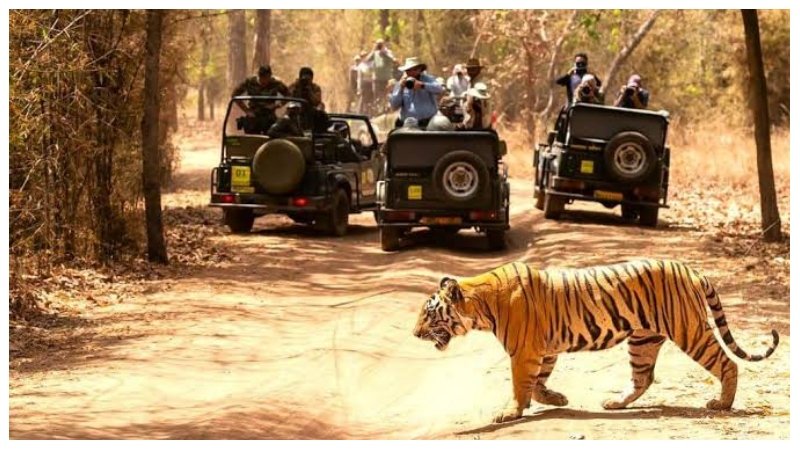
What Makes a Tiger Safari in India Worth Planning Carefully?
A Tiger safari in India is far more than a morning in a jeep. It’s a chance to watch the Royal Bengal tiger in its own forest, among grasslands, waterholes and old ruins, with a naturalist beside you reading the signs. But the trip only feels easy when the planning behind it is done well. The park you pick, the days you allow and the place you sleep all shape what you remember.
If it’s your first wildlife holiday, the questions pile up fast. Should you visit one park or three? Is a longer route really better? How early should you book? Jungle Revives builds personalized wildlife journeys around your interests and pace, and the sections below walk through each choice in plain language.
Why Does India Draw Wildlife Lovers from Around the World?
Mostly because of the variety. Central India offers sal forests and open meadows, while the Himalayan foothills around Jim Corbett bring river belts, grassland and hills. Each habitat supports a different mix of wildlife, so a safari here rarely comes down to one animal.
There’s a conservation story behind it, too. According to Jungle Revives, Project Tiger began in 1973, and India now holds more than 70 percent of the world’s wild tigers. That’s a big part of why photographers, naturalists and people visiting for the first time keep heading to these reserves.
What Can You Enjoy Beyond Tiger Sighting?
A tiger is the moment people talk about it, but a lot happens around it. You might watch deer drift across a clearing, hear a langur alarm call or spot fresh pugmarks pressed into a dusty track. A good naturalist turns those small clues into a story you can follow.
That matters on quiet days. Wild animals follow their own routines, and no honest operator can promise a sighting on a particular drive. What a well-planned trip can do is give you enough time in different habitats to enjoy the forest even when the big cat stays hidden.
Which National Parks Should You Look First?
That depends on how much time you have and what you enjoy. Some travellers want several days in a single reserve, while others like a route linking two or three. Jungle Revives offers both, covering Corbett, Ranthambore, Kanha, Bandhavgarh, Pench and Tadoba, so you aren’t forced into one style of trip.
Ranthambore mixes lakes, rocky ground, and old ruins. Kanha is known for sal forest and open meadows, and Bandhavgarh for its wooded hills and varied habitats. If you’d like to see how these parks fit together in a real plan, you can plan a trip around the landscapes that appeal to you most.” Add the linked keyword naturally elsewhere in the paragraph.
Is Jim Corbett a Good Choice for a First Visit?
It can be. Corbett sits in the Himalayan foothills and combines riverine forest, grassland and hills, which makes it appealing to birdwatchers as much as tiger fans. The most suitable months depend on the park and its seasonal conditions. The Dhikala Forest Rest House is a sought-after stay for visitors to Corbett.
Corbett also slots neatly into longer cultural trips. Jungle Revives has tours linking it with Delhi, Agra and Jaipur, which suits overseas visitors who want heritage and wildlife without booking each piece separately. You can even add Ranthambore to experience two tiger reserves in succession.
How Does Ranthambore Differ from Kanha?
Ranthambore is dramatic. Think of dry forests, quiet lakes and a fort looming over the landscape. Kanha feels gentler, with sal trees, open grassland and conservation work around the hard ground barasingha, a rare swamp deer that has made the park well known among nature lovers.
Both suit tiger enthusiasts, but they give you very different scenery. So, choose the habitat you want to travel through, not just for your reputation. A planner who knows these forests can help you narrow things down without overselling the odds, which is a good sign of an operator worth trusting.
Should You Choose One Park or Several?
A single park lets you settle in. You get several drives through different zones, time to learn the forest’s mood and fewer long road transfers. Photographers and families often prefer this slower rhythm because nobody is repacking bags every other morning.
A route covering multiple parks adds variety, since each reserve looks and feels different, though transfers eat into your days. Jungle Revives lists a Corbett, Kanha and Bandhavgarh tour of 12 nights and 13 days with 16 guided safaris, and a Pench and Tadoba tour of 8 nights and 9 days with 11 guided safaris.
When Does a Longer Itinerary Make Sense?
Imagine you’ve got almost two weeks. Instead of switching hotels every day, you could spend several nights in each reserve, with time to rest between early starts. That’s the sort of pacing that stops a holiday from turning into a checklist, and it lets you actually enjoy the lodges you’ve paid for.
With a shorter break, one park is usually the smarter pick. Whichever way you lean, think of the best tiger safari in India as the one that matches your schedule, your comfort with road travel and your appetite for extras like sightseeing. If you’d like to compare real routes side by side, the tour listings for the best tiger safari in India show the number of safaris and nights included in each itinerary.
Examples of Single Park Tours Listed by Jungle Revives
- Ranthambore, 4 nights and 5 days, with 6 guided safaris
- Bandhavgarh, 5 nights and 6 days, with 7 guided safaris
- Kanha, 5 nights and 6 days, with 7 guided safaris
- Terai, 5 nights and 6 days, with 8 guided safaris and a river outing for gharials and Gangetic River dolphins
These details can change, so confirm the latest information for whichever tour you like before you commit.
What Should You Sort Out Before the Trip Starts?
Permits, safari zones, lodge availability and transfers all affect how smooth things go. Zone permits for popular parks such as Ranthambore, Corbett’s Dhikala zone and Bandhavgarh are limited and allocated in advance by the forest department. Good lodges fill quickly in peak months, so Jungle Revives suggests booking four to six months ahead for travel between October and May.
The team handles permits, jungle lodges, guided safaris, and transfers between destinations, depending on the package. Still, check the exact inclusions, availability, and cancellation terms for your itinerary before you pay. A few minutes spent reading the details now can save you an awkward surprise later, particularly if you’re travelling from overseas.
Which Questions Are Worth Asking Before You Book?
Package names rarely explain what a normal day looks like, so ask direct questions and expect clear answers.
- How many guided safaris are included?
- Which parks and safari zones are planned?
- How much time does travelling between destinations go by?
- How far is the lodge from the park gate?
- Are meals, permits, transfers and guide fees covered?
- What happens if a zone or activity becomes unavailable?
An operator who answers these calmly and specifically is usually one who has done the groundwork. Vague replies, on the other hand, are worth noticing before any money changes hands.
How Does a Good Naturalist Change What You See?
They notice what the rest of us miss: tracks, bird calls, a shift in the vegetation, the way a herd of deer suddenly freezes. Instead of scanning the bushes for one big animal, you begin to read the forest, and that changes the whole mood of a drive.
That’s especially useful on slow mornings. Jungle Revives pairs guests with vetted naturalists, so the experience feels informative and well-guided rather than a guessing game. Even when you don’t see a tiger, you’ll usually go home knowing far more about how the forest works than when you arrived.
How Can You Make the Trip Feel Personal?
A good itinerary reflects the traveller, not a template. Some people want long days in the forest. Others prefer a balanced schedule with rest, photography, or time at cultural landmarks. Talking through these preferences before booking helps you end up with a trip that feels manageable as well as memorable.
Jungle Revives lets you discuss your choice of accommodation, destinations, meals, transfers, language, naturalist and photography focus. That flexibility suits couples, families, photographers, and international visitors who all want slightly different things. It also gives the planning team a clearer picture of what matters most to you.
Can You Combine Wildlife with India’s Cultural Heritage?
Yes, when the route and your available time allow it. Jungle Revives offers tours pairing tiger reserves with the Taj Mahal, Agra Fort and Jaipur’s palaces. One longer plan runs 18 nights and 19 days and covers four national parks alongside Jaipur, the Taj Mahal and Sapura’s walking safaris.
Picture a few days in the forest, then a sunrise at the Taj Mahal. The two experiences are very different, which is exactly why they work well together. The wildlife days give you time outdoors among animals, while the heritage days add architecture, history and local culture to the story of your holiday.
What Does Responsible Tiger Tourism Look Like?
It starts with leaving animals undisturbed. Follow your guide’s instructions, keep your voice low, never feed wildlife, and don’t ask drivers to chase animals for a photograph. These habits protect the forest and keep the experience pleasant for everyone else in the park.
Patience matters just as much. A tiger may appear briefly, remain hidden, or never cross your path on a given drive, and that’s simply the nature of watching wild animals. By choosing the best tiger safari in India for your needs, such as a well-paced route with enough drives, you shift the focus from chasing a sighting to appreciating the whole forest. Browse the best tiger safari in India options and pick one that suits how you like to travel.
Conclusion
A rewarding trip begins with realistic expectations and a clear idea of what you want from it. Consider the destination, the number of drives, the length of the journey, and how much cultural sightseeing you’d like. Then make sure permits, lodges and transfers fit the plan instead of leaving them to the last minute.
Jungle Revives offers personalized tours across several national parks, from single park stays to multi-park routes, photography trips and cultural extensions. Share your dates and interests with the team and build a journey that gives you time to enjoy the forest beyond the search for a tiger.
Frequently Asked Questions
1. Which national parks suit a tiger safari in India?
Jungle Revives features Jim Corbett, Ranthambore, Kanha, Bandhavgarh, Pench and Tadoba. The best fit depends on your dates, available time and the landscapes you enjoy.
2. How many safaris should I plan per park?
Jungle Revives recommends at least four safaris per national park. Confirm the exact number included in your chosen package.
3. Can I customize my itinerary?
Yes. You can discuss destinations, accommodation, transfers, meals, language, guide and photography needs when planning.
4. Is a tiger sight guaranteed?
No. Tigers are wild, so sightings depend on natural conditions and animal behavior. More drives give you more chances, but nothing is guaranteed.
5. When should I book?
Four to six months ahead is advised for travel between October and May, since popular zones and lodges fill quickly.