Most people planning a Himalayan trek start with the mountains. Fair enough. But talk to anyone who has spent a week on the trail and their stories drift somewhere else: a woman stirring a pot over a wood stove, a mule train clanking through a village, prayer flags snapping above a stone wall. The Annapurna Circuit Trek and the Manaslu Circuit Trek both pass through places like that, and both ask a lot from your legs and lungs. This guide covers where each route goes, what daily life along it looks like, and what you should sort out before leaving, from altitude and permits to teahouse manners and timing.
Annapurna Circuit Trek: Following the Marsyangdi Valley Up to Thorong La
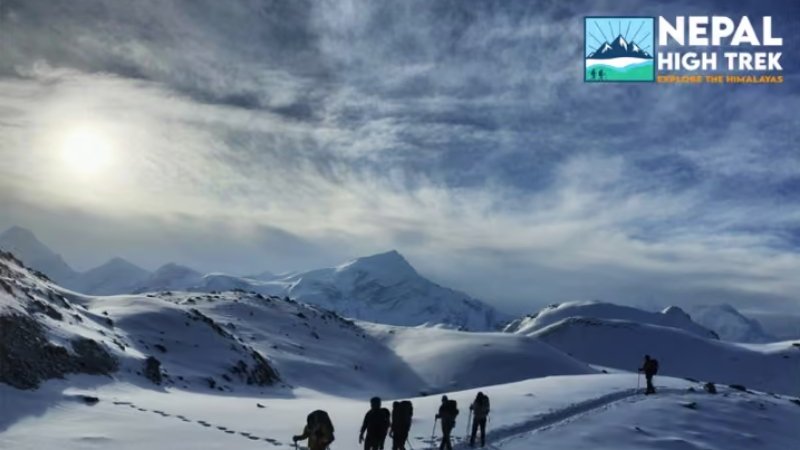
The Annapurna Circuit loops through central Nepal, and the first thing you notice is how fast the scenery changes. You begin among terraced fields and green hillsides, following the Marsyangdi River upstream. Slowly the valley narrows, the forest thins out, and by Manang the land feels dry, open, and a bit stark. Then comes the big day: crossing Thorong La Pass at 5,416 meters and dropping toward Muktinath.
Villages mark the way. Dharapani, Chame, Pisang, and Manang each feel different from the last, and the Tibetan Buddhist influence gets stronger as you climb. Expect prayer wheels beside the path, monasteries above the rooftops, and flat-roofed stone houses built to hold warmth. Pass mani walls and chortens the way locals do, keeping them on your right, and ask before stepping inside a monastery.
Roads have crept into parts of the valley, so the route isn’t quite the walk it was years ago. Starting and finishing points vary, and in some stretches you can take side trails away from the jeep traffic. Whichever version you choose, plan a rest day around Manang. Thorong La is long, cold, and tiring, and it goes far better when you have paced the days before it.
Manaslu Circuit Trek: Mountain Villages Along the Budhi Gandaki
The Manaslu Circuit Trek feels quieter and more remote. The trail follows the Budhi Gandaki River through a steep-sided gorge, over suspension bridges and through forest, before the valley finally opens up near the high peaks around Manaslu. Jagat, Deng, Namrung, Lho, Samagaun, and Samdo are the usual overnight stops.
Higher up, Tibetan-influenced culture is everywhere. Mani walls run alongside the path, chortens stand at village entrances, and monasteries overlook small fields. Trade with Tibet shaped life here for generations. Keep in mind that these are lived-in places, not a stage set. Say namaste, ask before taking someone’s photo, and don’t treat a family’s home as scenery.
The Larkya La Pass, at roughly 5,106 meters, is the main test. Expect a very early start, a long climb, and wind and cold that can bite even on a clear day. Manaslu is also a restricted area, so you need special permits and a licensed guide arranged through a registered agency. That isn’t red tape for show. It changes how the entire trip gets organized.
The People Behind the Trails: Village Life, Food, and Hospitality
It’s easy to forget that every teahouse is somebody’s home and somebody’s income. Families farm small plots, look after animals, haul supplies in, and shift their work with the seasons. Trekkers bring money, sure, but that’s one thread in a much bigger working life.
The food is simple and filling. Dal bhat, the lentil-and-rice plate most Nepalis eat daily, is the trekker’s staple, often with free refills. You’ll also see vegetable soup, potatoes, noodles, and a lot of tea. Menus shrink as you climb because everything has to be carried up by porters or animals, which is also why prices creep upward.
A few habits go a long way. Ask before photographing people. Walk around religious monuments the way locals do. Follow the rules inside monasteries. Learn a handful of Nepali greetings. Honestly, an evening chatting beside the stove often teaches you more than any viewpoint, and it doesn’t need to be a life-changing moment to be worth it.
What High-Altitude Trekking Really Asks of Your Body
Altitude doesn’t care how fit you are. Marathon runners get sick too, sometimes first. Above about 3,000 meters, go up gradually, build in rest days, and sleep lower when you can. Headache, nausea, unusual tiredness, and a lost appetite can all be early warning signs.
If symptoms get worse, stop climbing. Heading down or getting a medical assessment is the sensible move, even if it wrecks your schedule. Pushing on is how small problems turn serious.
Then there’s the plain physical grind: many walking days in a row, uneven stone steps, long uphill stretches. Train with hikes while carrying a pack. And don’t pick an itinerary just because it’s the shortest. High-altitude trekking works when you keep a steady pace, allow enough days to acclimatize, watch the weather, and stay willing to change plans when your health or the trail says so.
When to Go: Understanding Nepal’s Mountain Seasons
Seasons matter, but they’re a guide rather than a promise.
| Season | Conditions and what to expect |
| March–May | Generally a favorable period, with spring greenery at lower elevations and changeable mountain weather |
| June–August | Monsoon rain, muddy trails, landslide risk, and poor visibility; conditions vary by valley |
| September–November | Often clearer views and busy trails, especially once the monsoon rains ease |
| December–February | Cold temperatures, short days, and possible snow closing the high passes |
Weather at altitude can flip quickly. Forecasts and advice from lodge owners and guides count for more than a date on the calendar, and no month guarantees an easy pass crossing.
Permits, Guides, Transport, and Accommodation: What to Sort Out Before You Leave
Check current permit rules before you book anything. The Annapurna Circuit falls under the Annapurna Conservation Area Permit (ACAP), while Manaslu involves the Manaslu Conservation Area Permit (MCAP) plus a restricted-area permit. Guide and group requirements depend on your exact route and on regulations at the time, and prices change, so confirm details with official sources or your operator instead of trusting an old blog post.
An experienced licensed guide earns their place, especially in restricted areas. They handle route changes, local communication, and overnight stops, and they know when to slow down. If you want to talk it through, a Nepal-based trekking operator such as Nepal High Trek can clarify permits, transport, guide services, and realistic acclimatization schedules before you commit to an itinerary.
Expect teahouse lodging: basic rooms, shared bathrooms, hot water that comes and goes, and small fees for charging devices. Road-accessible trailheads need transport arranged in advance. Carry enough Nepalese cash too, because cards and ATMs can’t be counted on in remote villages.
Responsible Trekking: Small Decisions That Matter in Remote Communities
Carry a reusable bottle and treat your drinking water rather than buying plastic bottles that must be carried out. Take your litter with you and be careful with local water sources. Staying in locally run lodges and buying local services keeps money in the communities that keep the trails going.
Porters deserve real attention. Make sure loads are reasonable, they have proper weather protection, and they’re paid and treated fairly. In the end, responsible trekking shows up in daily behavior on the trail, not in promises made before the trip.
Final Thoughts: Understanding the Mountains Beyond the Walking Route
The mountains are the headline, but the trip is made of smaller things: long days on stone steps, shared tea in a cold dining room, a village that keeps working long after the trekkers move on. Crossing a high pass isn’t the only measure of a good trek. Preparation, respect, and time spent actually paying attention to the places you walk through matter just as much. Do it well, and you’ll probably leave Nepal thinking less about the pass you crossed and more about the people who let you walk through their valleys.
Frequently Asked Questions About Trekking in Nepal
How difficult is the Annapurna Circuit Trek?
It’s demanding. Days are long, the terrain is uneven, and Thorong La is a hard push. How difficult it feels depends on your itinerary length, fitness, weather, and how well you acclimatize.
Do I need a guide for the Manaslu Circuit Trek?
Yes, for the restricted sections. You need the right permits and a licensed guide through a registered agency. Check current group and agency rules before you travel.
How many days should I allow?
Most itineraries run roughly two to three weeks. It depends on road access, walking pace, acclimatization, and any side trips you add.
What accommodation is available along the routes?
Teahouses and mountain lodges with simple twin rooms and shared dining areas. Amenities get more limited the higher you go.
Can beginners complete a high-altitude circuit trek?
Motivated beginners can, with a carefully planned itinerary. Previous multi-day hiking experience and realistic acclimatization time make a big difference.