Montana in winter offers a completely different kind of road trip. Snow-covered mountain ranges, quiet valleys, steaming hot springs, and opportunities to spot wildlife make the state a memorable destination for travelers willing to embrace the colder months.
However, planning a Montana winter road trip requires more preparation than a typical summer vacation. Mountain roads can become icy, daylight hours are shorter, and some of Yellowstone National Park’s most popular roads are closed to regular vehicles.
The good news is that a winter adventure can be enjoyable and manageable with the right route, a properly equipped vehicle, and a flexible itinerary.
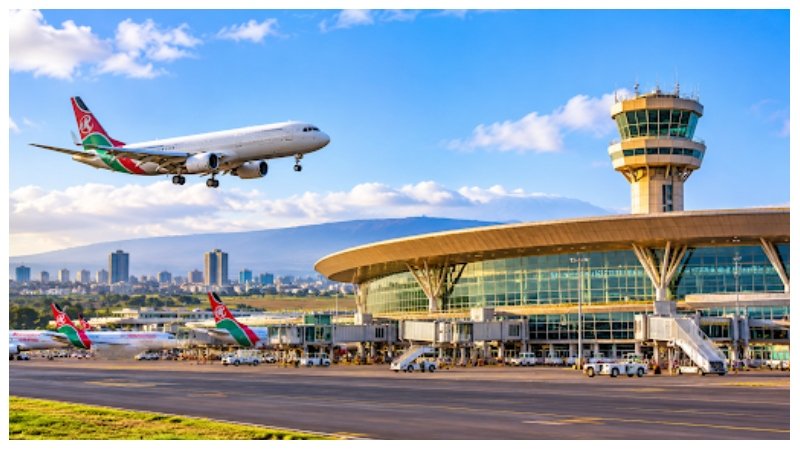
Whether you’re arriving through Bozeman Yellowstone International Airport or planning a longer journey across southwestern Montana, this guide will help you prepare for the experience.
Why Take a Winter Road Trip Through Montana?
Winter transforms Montana’s familiar landscapes into something extraordinary. The mountains surrounding Bozeman and Big Sky become covered in snow, rivers flow between frozen banks, and wildlife often stands out against the white scenery.
Unlike the busy summer season, winter can offer a quieter atmosphere in many areas. Travelers can enjoy scenic drives, skiing, snowshoeing, hot springs, and wildlife watching without following an overcrowded sightseeing schedule.
A winter road trip also gives visitors flexibility. Instead of relying entirely on organized tours, you can explore accessible destinations at your own pace, provided you follow road restrictions and weather advisories.
For travelers who enjoy scenic driving, Montana offers plenty of reasons to slow down and appreciate the journey.
Best Places to Visit on a Montana Winter Road Trip
1. Bozeman: Your Winter Adventure Starting Point
Bozeman is a practical starting point for exploring southwestern Montana. Its airport connects the region with major US travel hubs, while the city provides accommodation, restaurants, grocery stores, and outdoor equipment shops.
Before leaving town, stock up on food, water, warm clothing, and any supplies you may need for longer drives.
Downtown Bozeman is also worth exploring. Local restaurants, coffee shops, and the Museum of the Rockies provide enjoyable options when the weather makes outdoor activities less appealing.
If you’re organizing a short vacation, it can help to follow the same practical approach used when planning the best weekend getaways in the USA: choose a manageable number of attractions rather than trying to see everything.
2. Big Sky: Mountain Scenery and Winter Recreation
Big Sky is one of Montana’s best-known winter destinations, particularly for skiing and snowboarding.
The drive from Bozeman follows US Highway 191 through Gallatin Canyon, a scenic corridor surrounded by mountains and forest.
Although the route is beautiful, winter driving conditions can be challenging. Snow, ice, reduced visibility, and heavy traffic during popular ski periods may affect travel times.
Allow extra time, avoid unnecessary nighttime driving during storms, and check road conditions before departure.
Even visitors who do not ski can enjoy mountain scenery, winter accommodation, and the atmosphere of a Rocky Mountain resort community.
3. Yellowstone National Park: A Different Winter Experience
Yellowstone is one of the highlights of a Montana winter road trip, but understanding seasonal access is essential.
Most park roads close to regular vehicles during winter. The road connecting the North Entrance near Gardiner with Mammoth Hot Springs, Lamar Valley, and the Northeast Entrance remains generally accessible to regular vehicles year-round, subject to temporary weather-related closures.
Other popular destinations, including Old Faithful, typically require authorized oversnow transportation during the winter operating season.
This makes the park’s northern region especially attractive for independent winter travelers.
Lamar Valley is known for wildlife watching, including opportunities to observe bison, elk, and wolves from a safe distance.
Always check the National Park Service’s Yellowstone road information before traveling.
4. Paradise Valley: A Scenic Winter Drive
Paradise Valley stretches between Livingston and Gardiner, with the Absaroka and Gallatin mountain ranges creating dramatic views along the route.
The drive along US Highway 89 offers beautiful winter landscapes and access toward Yellowstone’s North Entrance.
It is an excellent choice for travelers who enjoy photography, quiet scenery, and relaxed sightseeing.
Plan stops carefully, use designated pullouts, and avoid stopping on the roadway for photographs.
Choosing the Right Vehicle for Montana Winter Travel
Selecting a suitable vehicle is one of the most important decisions when planning a winter road trip in Montana.
Snow and ice can make driving more demanding, particularly in mountain areas where conditions change quickly.
AWD vs. 4WD: Which Is Better?
All-wheel drive (AWD) automatically distributes power between the wheels to improve traction under various driving conditions.
Four-wheel drive (4WD) systems are often found in larger SUVs and trucks and can provide additional capability in certain low-traction situations.
Both can be useful for Montana winter travel, but neither eliminates the risks of driving on icy roads.
Winter tires are especially important because they improve traction for braking and cornering in cold, snowy conditions.
Drivers should also remember that having AWD or 4WD does not make a vehicle immune to skidding.
Consider a Local Rental Company
Travelers flying into Bozeman should confirm their rental vehicle’s winter equipment before making a reservation.
Some rental providers offer AWD or 4WD vehicles without guaranteeing a specific model or dedicated winter tires.
For visitors who want a locally operated option, Explore Rentals provides AWD and 4WD rental vehicles near Bozeman Yellowstone International Airport, including Subaru Outbacks, Chevrolet Suburbans, trucks, and Sprinter vans.
The company also offers winter snow tires across its rental fleet and convenient airport or nearby office pickup options.
Choosing a properly equipped rental vehicle can make a significant difference when planning trips to Big Sky, Yellowstone, and other mountain destinations.
Regardless of the provider, confirm the vehicle specifications, insurance coverage, permitted roads, pickup arrangements, and full rental price before booking.
Essential Winter Road Trip Packing Checklist
Packing for Montana’s winter weather requires more than bringing a heavy jacket.
Temperatures can fall quickly, and unexpected road closures or travel delays may leave you waiting longer than planned.
Clothing and Personal Essentials
Pack warm, practical layers that can be adjusted throughout the day.
Useful items include:
- Insulated winter jacket
- Thermal base layers
- Waterproof boots
- Warm gloves and hat
- Extra socks
- Sunglasses
- Lip balm and sunscreen
- Reusable water bottles
- Snacks and easy-to-store food
Even during winter, bright sunshine reflecting off snow can make eye protection and sunscreen useful.
Vehicle Emergency Supplies
Your vehicle should also contain an emergency kit.
Consider carrying a flashlight, portable phone charger, first-aid kit, ice scraper, snow brush, blankets, and extra warm clothing.
Keep sufficient fuel in the vehicle, particularly before traveling through areas with limited services.
Download offline maps before leaving Bozeman because mobile coverage can be unreliable in remote areas.
For more general preparation advice, Pure Travel Tweaks has a useful complete road trip planning guide covering vehicle checks, navigation, packing, and travel safety.
Montana Winter Driving Safety Tips
Driving in Montana during winter requires patience and awareness.
Even experienced drivers should adjust their habits to suit mountain conditions.
Check Road Conditions Before Every Drive
Use the Montana Department of Transportation’s 511 Travel Information service to review road conditions, closures, and travel advisories.
Do not assume that a road will remain clear simply because it was open earlier in the day.
Mountain weather can change rapidly.
Drive Slowly and Increase Following Distance
Snow and ice reduce tire traction and increase stopping distances.
Maintain a greater distance between your vehicle and the one ahead, avoid sudden braking, and make steering adjustments gradually.
If visibility becomes poor or road conditions feel unsafe, find a suitable place to stop and wait for improvement.
Avoid Overloading Your Itinerary
Winter daylight is limited, and driving can take longer than expected.
Instead of planning multiple distant attractions in one day, prioritize a few worthwhile destinations.
A flexible itinerary allows time for weather delays, meals, rest stops, and unexpected discoveries.
Respect Wildlife and Road Restrictions
Montana’s wildlife is one of its greatest attractions, but animals may appear unexpectedly near roads.
Reduce speed in wildlife areas and remain alert, especially around dawn and dusk.
Never approach wild animals for photographs, and use designated pullouts when stopping to observe them.
A Suggested Four-Day Montana Winter Road Trip Itinerary
A four-day itinerary can provide a balanced introduction to southwestern Montana without requiring excessive daily driving.
Day 1: Arrive in Bozeman
Arrive at Bozeman Yellowstone International Airport, collect your rental vehicle, and settle into your accommodation.
Spend the afternoon exploring downtown Bozeman, purchasing supplies, and reviewing the weather forecast.
Day 2: Explore Big Sky
Drive toward Big Sky through Gallatin Canyon if road conditions are suitable.
Enjoy skiing, winter scenery, or a relaxed mountain getaway.
Return to Bozeman or stay overnight in Big Sky, depending on your accommodation plans and the forecast.
Day 3: Visit Paradise Valley and Gardiner
Travel east toward Livingston and continue south through Paradise Valley.
Enjoy scenic stops along the way before reaching Gardiner near Yellowstone’s North Entrance.
Stay overnight in the area if you want more time to explore Yellowstone the following day.
Day 4: Discover Yellowstone’s Northern Range
If park roads are open and conditions permit, visit Mammoth Hot Springs and explore accessible areas toward Lamar Valley.
Focus on wildlife watching, photography, and enjoying the winter landscape.
Return to Bozeman only if you have enough daylight and favorable driving conditions. Otherwise, plan an additional overnight stay.
This itinerary is a flexible framework rather than a fixed schedule. Adjust it according to road conditions, daylight, and your comfort with winter driving.
How to Save Money on a Montana Winter Road Trip
A Montana winter vacation can involve high costs, especially during popular ski holidays.
However, thoughtful planning can help manage expenses.
Book accommodation and rental vehicles early when traveling during high-demand periods.
Compare the total rental price rather than focusing only on advertised daily rates. Airport fees, insurance, additional equipment, and other charges can affect the final cost.
Choose accommodation based on your planned activities to reduce unnecessary driving.
Consider combining scenic drives and free outdoor experiences with selected paid attractions.
Traveling outside major holiday periods may also provide more accommodation choices, although availability and prices vary.
For travelers who enjoy exploring smaller destinations, Pure Travel Tweaks also offers inspiration in its guide to the best small towns to visit in the USA in fall. While focused on autumn, its advice about flexible itineraries and weather preparation is useful for seasonal road trips generally.
Final Thoughts
A Montana winter road trip offers a memorable combination of snowy landscapes, mountain scenery, wildlife, and outdoor adventure.
Bozeman, Big Sky, Paradise Valley, and Yellowstone’s northern region provide excellent opportunities to experience southwestern Montana during the colder months.
The key to a successful journey is preparation.
Choose a suitable vehicle with proper winter tires, monitor road conditions, pack essential supplies, and keep your itinerary flexible.
With thoughtful planning and realistic expectations, a Montana winter road trip can become one of the most rewarding ways to explore the American West.